

- Home
- Guides & resources
- Quality & inspections
- How Much Does a Quality Inspection in China Cost? Prices, Quotes and ROI
How Much Does a Quality Inspection in China Cost? Prices, Quotes and ROI
What a third-party quality inspection in China really costs: published man-day rates, what drives the number of man-days, the traps in cheap quotes, and the math that shows when an inspection pays for itself.
Contents9 items
- Pre-shipment inspection prices in China: published rates
- What drives the price: man-days and extras
- What each inspection costs: PPI, DUPRO, PSI, loading check
- Inspection cost vs. the cost of a defective shipment
- Reading an inspection quote: a checklist
- The traps in cheap inspection offers
- Do it yourself or get support?
- Frequently asked questions
- Sources
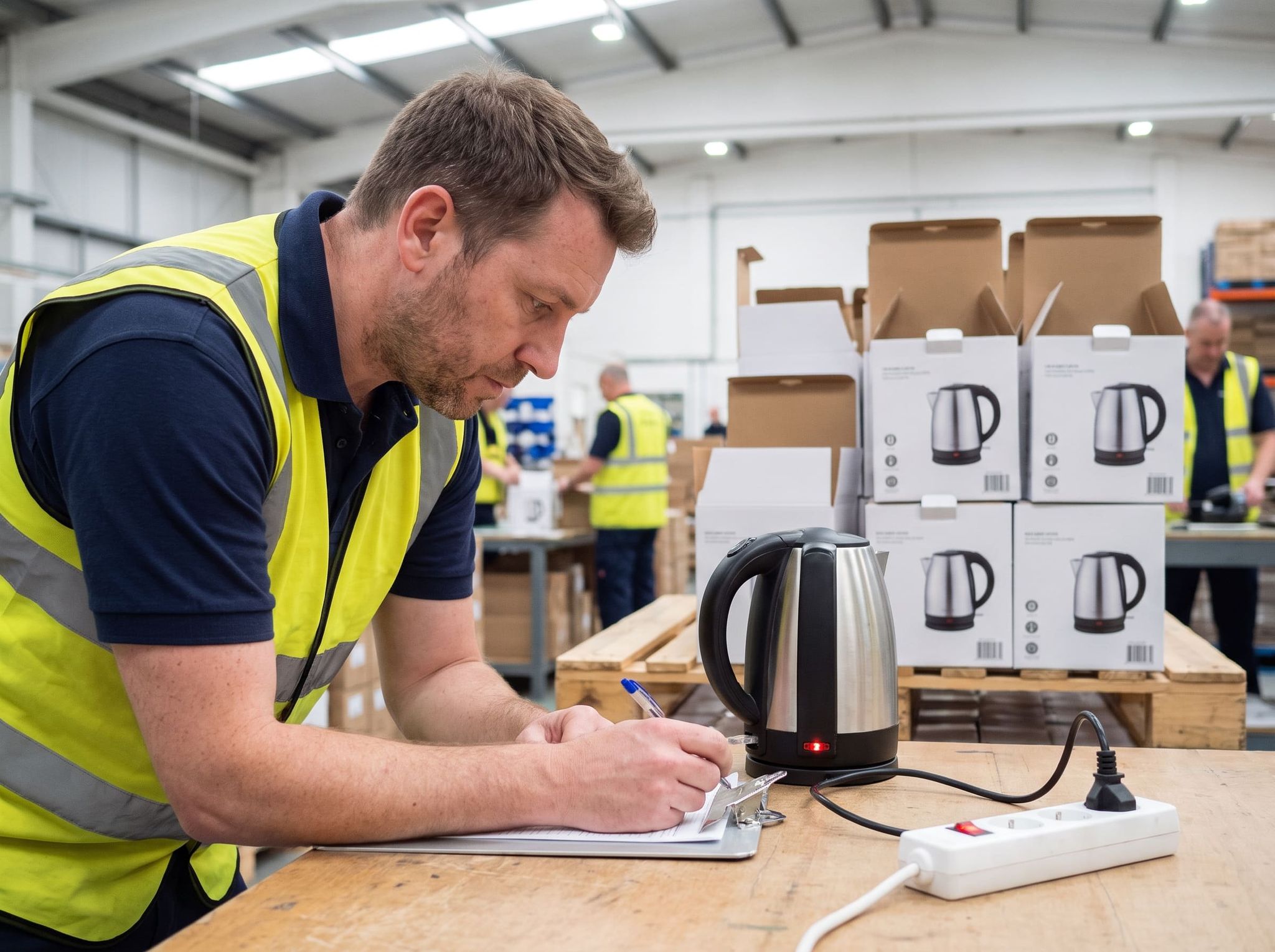
How much does a quality inspection in China cost? Whether you call it a factory inspection, a third-party inspection or a pre-shipment inspection, the short answer starts with a unit: the man-day. A simple, single-SKU order often needs just one man-day for its pre-shipment inspection. Tens of thousands of garments, an electrical product that has to be tested, or an order spread across many SKUs will need several.
This guide breaks down what drives the price of quality control in China, the rates inspection firms actually publish, how to read a quote, and the calculation that matters most: the cost of an inspection versus the cost of a defective shipment landing in your warehouse in the US, the UK or Europe.
Pre-shipment inspection prices in China: published rates
The man-day is the billing unit almost every inspection company uses: one inspector for one day. It covers preparing the checklist, travel, the inspection at the factory and writing the report. According to QualityInspection.org, the blog of inspection firm Sofeast, a typical man-day includes up to about six hours of actual inspection; beyond that, fatigue starts to hurt accuracy.
Several independent firms publish their rates for mainland China:
| Company (source) | Published rate per man-day | Stated conditions |
|---|---|---|
| V-Trust (website, October 2026) | $268 in major manufacturing regions, $298 elsewhere | No extra charge for travel or weekends |
| QC Advisor (website, October 2026) | From $280 across most of Asia | Travel included in mainland China; re-inspections at the same rate |
| Sofeast (2019 article) | $299 | Travel included up to about 60 km (37 miles), surcharge beyond |
Treat these as benchmarks, not firm prices: confirm the rate, currency and any taxes when you book. Many other providers, including large international groups, only quote on request. Outside mainland China, rates are often higher: QC Advisor, for example, lists $380 per man-day in Taiwan and South Korea.
For NOVASEA's own rates, for one-off inspections or full-service sourcing, see our pricing page.
What drives the price: man-days and extras
Day rates vary little between serious providers. What changes the invoice is the number of man-days and what gets added to them.
AQL sample size
The inspector doesn't check the whole order. They pull a random sample under ISO 2859-1 (or its US counterpart, ANSI/ASQ Z1.4), sized by lot size and inspection level, with General Level II as the default. Sample size grows far more slowly than the lot (details in our AQL inspection guide):
| Lot size | Sample at Level II |
|---|---|
| 1,201 to 3,200 | 125 units |
| 3,201 to 10,000 | 200 units |
| 10,001 to 35,000 | 315 units |
| 35,001 to 150,000 | 500 units |
Throughput then depends on the product. Guided Imports (February 2026) suggests 200 to 315 units a day for basic consumer hardlines, 125 to 200 for basic consumer electronics and 80 to 125 for garments, which have to be measured and turned piece by piece.
Work out the sample size for your own lot with the calculator below, then ask your provider how many man-days they derive from it.
Number of SKUs
Every SKU (color, size, model) adds checks: specs, labels, measurements, comparison with the golden sample (the signed reference sample). Depending on your contract, each SKU can even be a separate lot with its own sample. QualityInspection.org's examples make the point: 30,000 pieces of a single simple product fit in one man-day, while eight product types made in three factories in different provinces take at least three.
On-site tests and lab testing
On-site tests lengthen the day: function tests, measurements, carton drop tests, barcode scans, seam strength checks. A 30-minute function test is run on a small sample, not on 200 units: write it into the plan with a special inspection level (S-3, for example), or it will add days.
Lab testing (chemical content, full electrical safety, flammability) is a different service, billed per test and per standard, on top of the inspection. Use a lab accredited to ISO/IEC 17025. Some markets make it mandatory: in the US, a children's product subject to a Consumer Product Safety Commission (CPSC) rule must be tested by a CPSC-accepted third-party lab.
Travel, rush bookings, re-inspections, wasted visits
- Travel: included in the main industrial regions by most firms that say so, billed beyond a set distance or in remote areas.
- Rush bookings: a last-minute request can cost more, or find no inspector available.
- Re-inspection after a failed lot: billed as a new inspection. Your supplier contract can shift that cost to the factory.
- Wasted visit: if the factory isn't ready (production unfinished, less than 80% packed), the trip may still be billed to you.
What each inspection costs: PPI, DUPRO, PSI, loading check
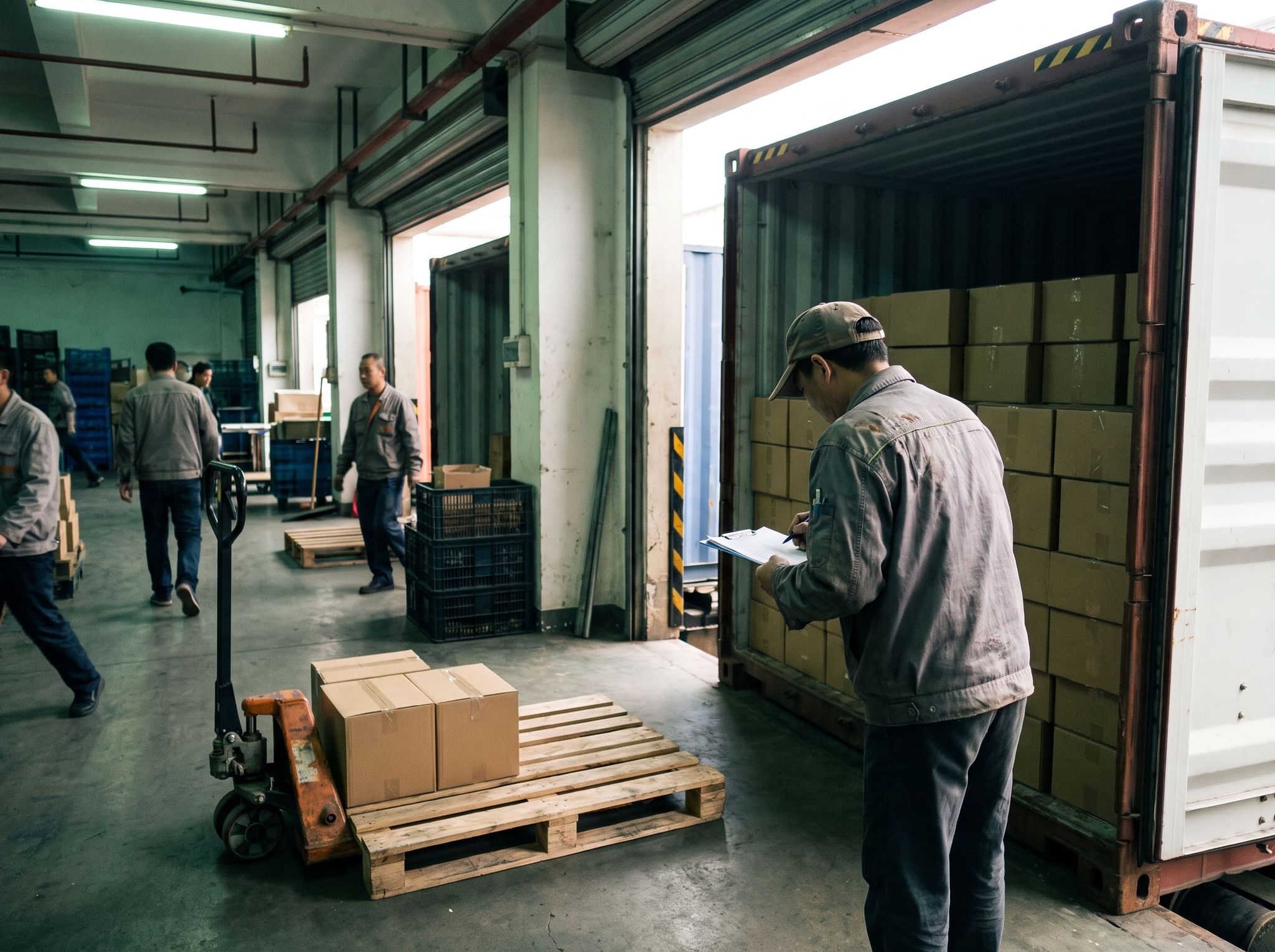
Each inspection answers a specific question and is billed by the man-day like the others. What changes is how long it takes and when it protects you.
| Inspection | Timing | What drives the duration | What it prevents |
|---|---|---|---|
| PPI (pre-production) | Before mass production | Number of materials and components to check | A material substitution across the whole run |
| DUPRO (during production) | Around 20–50% produced | Sample, measurements, tests | A repeated defect on thousands of units |
| PSI (pre-shipment) | 100% produced, at least 80% packed | AQL sample, SKUs, tests | Paying the balance on a defective lot |
| CLS (loading check) | While the container is loaded | Number of containers | A different lot from the inspected one being shipped |
Build your inspection plan around risk, not habit:
- New supplier, first order: factory audit, PPI, DUPRO and PSI, so at least four visits.
- Repeat order from a proven supplier: a PSI is often enough.
- Regulated product (children's, electrical): lab testing, then PPI and PSI.
- Several suppliers in one container: one PSI per factory, then a loading check.
Methods and deliverables for each inspection in our dedicated guide:
Inspection cost vs. the cost of a defective shipment
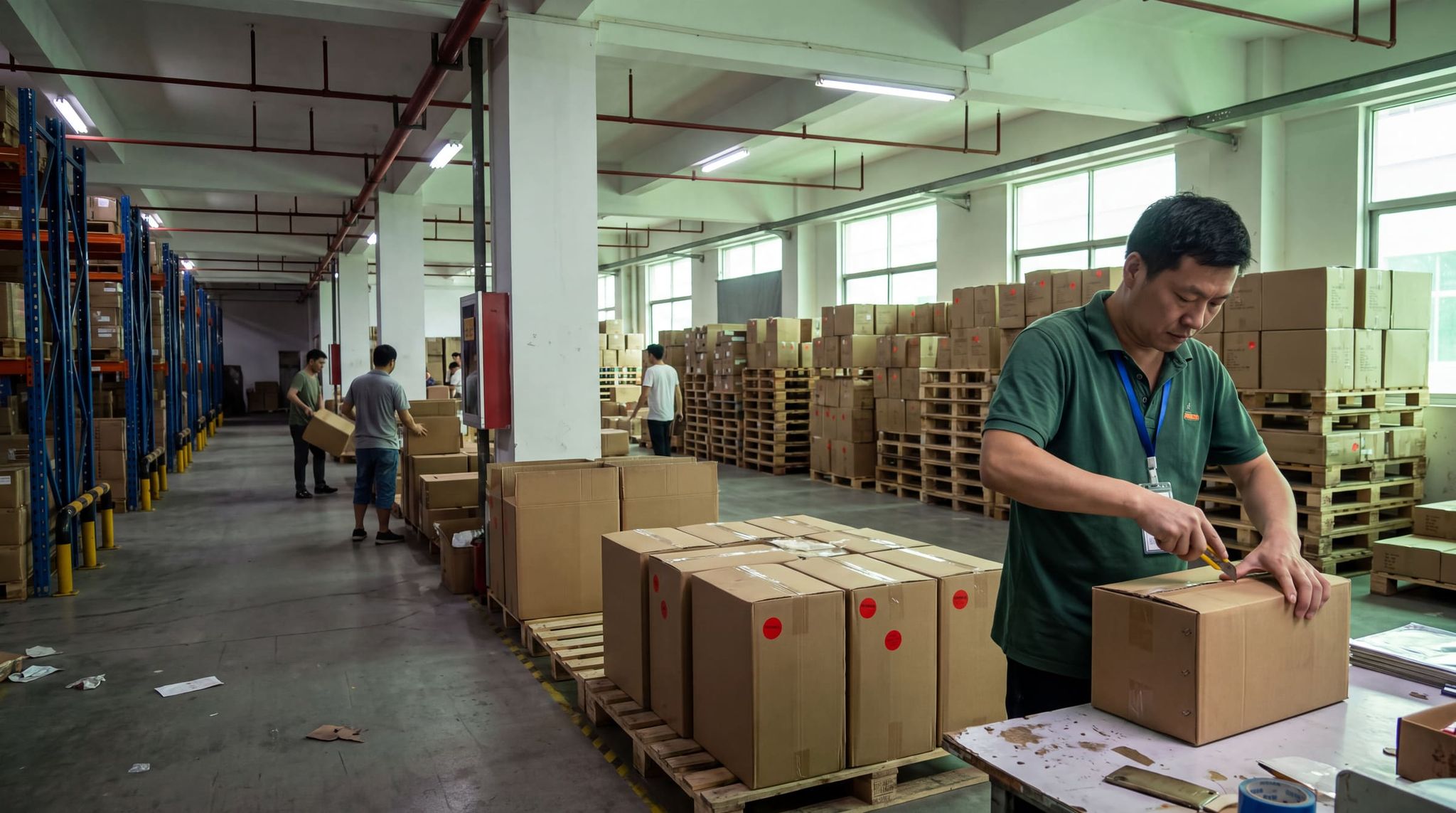
Comparing two inspection quotes means little unless you look at what inspection prevents. A defect found at the factory gets fixed before you pay the balance, at the supplier's expense if your contract says so. The same defect found by your customers is paid for in returns, warehouse sorting, bad reviews and sometimes a recall.
Two conditions make this math real. First, the balance is paid only on an accepted inspection report: that's what gives the factory a reason to sort and rework at its own cost. Second, the criteria (standard, inspection level, AQL per defect class) are written into the purchase contract before production starts.
Reading an inspection quote: a checklist
Read a quote like a contract. Before you sign, make sure it answers these questions in writing:
- Basis of calculation: lot size, number of SKUs, standard (ISO 2859-1 or ANSI/ASQ Z1.4), inspection level and AQL per defect class.
- Number of man-days and day rate, with currency and any taxes.
- Travel: included, capped by distance, or billed separately.
- On-site tests listed, with the number of units tested for each.
- Lab testing: included or not, with the lab's name and accreditation.
- Report: turnaround, language, a photo of every defect, measurements, AQL table, verdict.
- Terms: cancelled or wasted visits, re-inspection, weekends, rush bookings.
- Independence: the inspector is paid by you alone, never by the factory.
The traps in cheap inspection offers
A cheap inspection is rarely paid for in money. It's paid for in defects nobody saw. Warning signs:
Integrity is a real issue in this business: insist on inspectors paid by you alone, rotated between factories, with unannounced spot checks on their work.
Do it yourself or get support?
There are three ways to go, with very different hidden costs.
| Criterion | Supplier photos and videos | Inspection firm you book yourself | NOVASEA, inspections built into project management |
|---|---|---|---|
| Independence | None: the factory picks what you see | Yes | Yes |
| Defect list and criteria | Written by you | Written by you | Written with you from the product spec |
| Inspection date | Not applicable | Set with the factory, remotely | Set by your project manager as production progresses |
| After a failed lot | Remote negotiation | Sorting and re-inspection to organize yourself | Sorting, rework and re-inspection managed for you |
| Link to the balance payment | None | Up to you | Built in: goods ship with your approval |
| Several factories, one container | Hard | One booking per factory | Inspections and consolidation coordinated |
| Your time | Low, but high risk | Significant | One decision, based on the report |
Booking an inspector yourself works well for a simple repeat order from a supplier you know. The hidden cost shows up elsewhere: writing the criteria, pinning down a date with a factory on the other side of the world, reading the report, negotiating sorting and re-inspection, then doing it all again for every supplier.
With NOVASEA, inspection is part of a method: a product spec and a classified defect list before production, a factory audit for new suppliers, then PPI, DUPRO, PSI and loading checks by our inspectors, each with a full photo report (measurements, tests, classified defects, AQL table) published in NOVASEA Bridge. You accept or reject the lot online; your project manager, your single point of contact, relays the decision to the factory and organizes sorting, rework and re-inspection. With several suppliers, consolidation happens in China, as close as possible to your factories, so a single container leaves China.
One-off inspections or end-to-end support: see our quality control service, end-to-end sourcing and our pricing.
Frequently asked questions
How much does a pre-shipment inspection in China cost?
Independent firms that publish their prices list $268 to $299 per man-day in mainland China as of October 2026, with travel usually included in the main manufacturing regions. A simple single-SKU order often takes one man-day; apparel, electronics and multi-SKU orders take more.
How much does a factory audit cost compared with an inspection?
Audits are also priced by the man-day: QC Advisor, for example, lists factory audits from $280 per man-day. An audit assesses the supplier (capabilities, quality system, working conditions), while an inspection judges one specific lot; see our guide to auditing a Chinese supplier.
Who pays for the inspection: the buyer or the factory?
The buyer books and pays for it: that's what keeps the inspector independent. A re-inspection after a failed lot can be charged to the supplier if your contract says so.
How many man-days does my order need?
Start from the AQL sample (calculator above), divide it by the inspection rate for your product type, then add time for tests and extra SKUs. Ask the provider to justify their estimate in writing.
Is lab testing included in the price?
Rarely. On-site tests (function, measurements, carton drop) are part of the inspection; lab tests are billed separately, per test and per standard. Check which ones your market requires before budgeting: see our product compliance guide.
Can you inspect 100% of the units?
Yes, but that's sorting, not sampling inspection: at the rates quoted above, checking every unit on every point would take dozens of man-days for a few thousand units. It's best kept for a critical point, such as safety, or for sorting a rejected lot, ideally at the factory's expense.
Sources
- Quality control inspection services in China (published rates) — V-Trust (new tab)
- Pricing and costs (FAQ) — QC Advisor (new tab)
- How Much Does a Quality Inspection in China cost? (2019) — QualityInspection.org, Sofeast (new tab)
- Understanding Product QC Inspections: What Is In A Man-Day? (2020) — QualityInspection.org (new tab)
- What is a "Man-Day" in Quality Control? (February 2026) — Guided Imports (new tab)
- ISO 2859-1:2026, Sampling procedures for inspection by attributes — ISO (new tab)
- Children's Product Certificate (CPC) — U.S. Consumer Product Safety Commission (new tab)